National Library of Poland
Adjacent to the park
The National Library (Biblioteka Narodowa) stands right beside the park. Its calm reading rooms and displays make an easy cultural add-on to a visit.
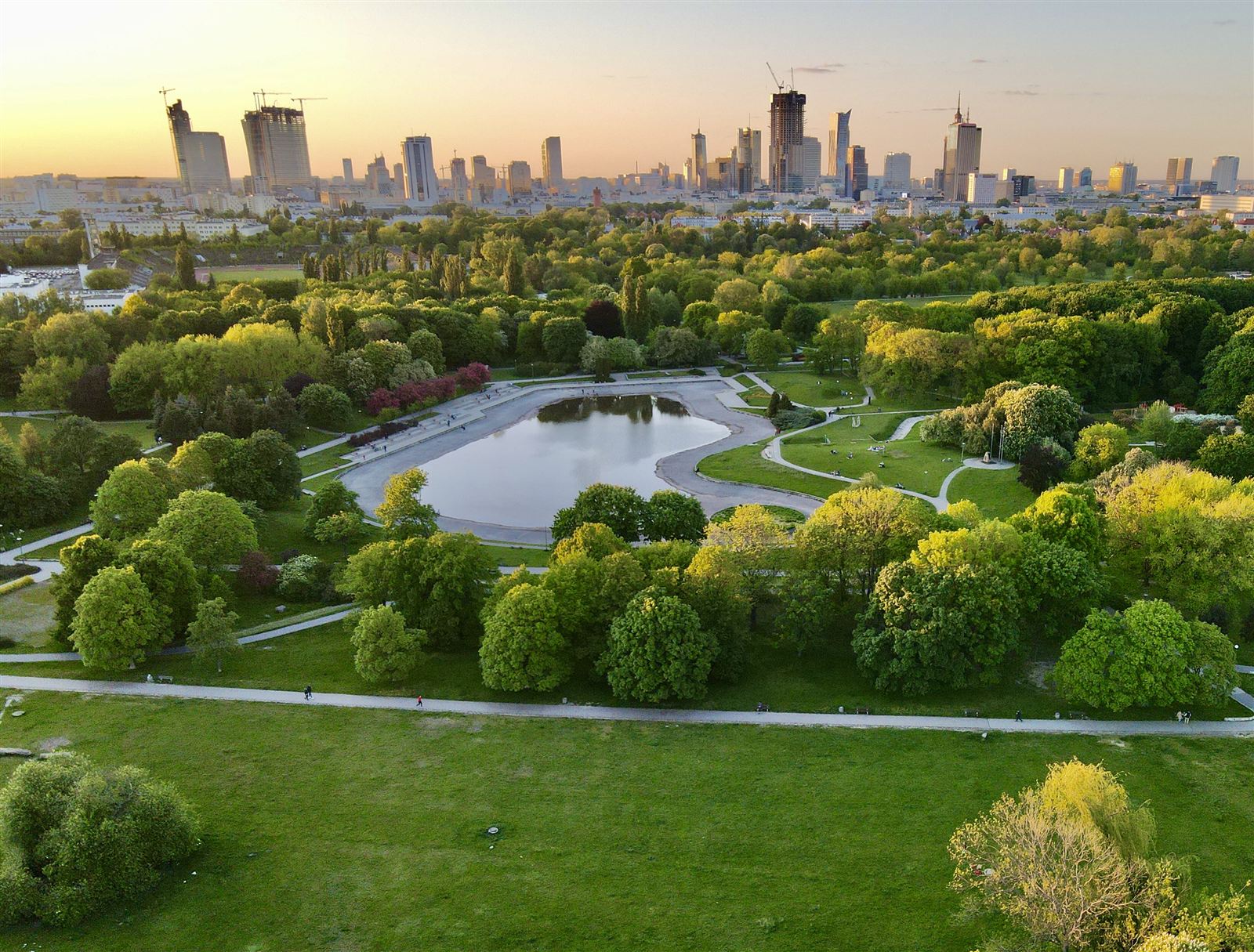
Warsaw's largest central green space — free entry, open 24/7, rated 4.7/5 by 26,875+ Google reviewers
To be honest, stepping into Pole Mokotowskie for the first time, you will be instantly healed by this endless open green space. Unlike meticulously manicured gardens, this is Warsaw's unique relaxed wilderness. Large, flat lawns stretch into the distance, and the wind blows through the grass in gentle waves, clean and vast. I visited on a sunny afternoon; the air was crisp and clear, and distant city buildings loomed, perfectly accentuating the park's tranquility. The trail around the lake is lush with vegetation, the water surface is calm, and waterfowl occasionally swim by, adding a touch of liveliness. Locals are scattered around in twos and threes—some chatting on picnic mats, some jogging or cycling along the trails, and children running freely and flying kites on the open lawns. There are no crowded tourists, no commercial noise, only the peace and ease of everyday life. The most moving quality here is the perfect balance between city and nature. Being in the bustling downtown area, yet having a wilderness away from the noise. Above is the complete sky, below is the soft grass. You can sit anywhere, empty your mind, and let time flow slowly.
Official Name
Pole Mokotowskie
Attraction Type
Urban Park, Large Green Space, Leisure Field
Country
Poland
City
Warsaw
Google Rating
4.7/5 (26,875)
Admission
Free — no entry ticket
Opening Hours
Open 24/7, all year
Plus Code
6273+39 Warsaw, Poland
Address
al. Niepodległości, Warszawa, Poland
Open all day, all year round, no closure limits
Accessible all day
Open 24/7
Recommended to visit in the early morning or evening for soft light and mild breezes, avoiding midday sun and peak crowds.
Completely free, no entry fee
Free admission, explore freely
Free admission
Seasonal activities require separate payment
Warsaw Public Transport Ticket
Recommended to buy a Warsaw public transport day ticket, suitable for visiting multiple attractions.
From Warsaw Chopin Airport take the SKM city rail or an airport bus to the centre (about 20 minutes), then metro line M1 to the Pole Mokotowskie station. Door to door roughly 40 minutes; taxis and ride-hailing are convenient with luggage.
From Warszawa Centralna take metro line M1 south a few stops to Pole Mokotowskie, or a tram or bus along al. Niepodległości — around 10–15 minutes in total.
From the Old Town or the Palace of Culture and Science, take metro M1 or a tram south along al. Niepodległości. The route is flat, so walking and city cycling work well too.
Metro M1 station Pole Mokotowskie sits right beside the park, with tram and bus stops along al. Niepodległości. Current line numbers and timetables: wtp.waw.pl. A ZTM day ticket covers metro, trams and buses.
Street parking around the park is limited and mostly paid on weekdays, so public transport is the easier choice. The area is busy and generally safe.
al. Niepodległości, 00-650 Warszawa · Plus Code 6273+39 · Metro M1 station Pole Mokotowskie
The park sits right at the edge of central Warsaw's museum and garden quarter. Distances below are approximate walking figures — always confirm the current route in a maps app before setting out.
Adjacent to the park
The National Library (Biblioteka Narodowa) stands right beside the park. Its calm reading rooms and displays make an easy cultural add-on to a visit.
About 2 km east
Warsaw's grandest royal gardens, with the Palace on the Water and the open-air Chopin monument, where free piano recitals are held on summer Sundays.
About 2.5 km east
A former royal castle rebuilt after the war, now home to the Centre for Contemporary Art (CSW). Its tower looks out across Łazienki Park and the city.
About 3 km north-west
A large interactive museum dedicated to the 1944 Warsaw Uprising — a fitting sequel to the park's own wartime story. Best reached by public transport.
About 2.5 km north · metro M1
Warsaw's most recognisable landmark. Ride metro line M1 a few stops north, then take the 30th-floor terrace for a panorama that includes the park below.
Six reasons the lawns, lake and paths of this former airfield are busy from early morning to sunset.
The old concrete pools were replaced by a natural ecological reservoir with reed beds — now the favourite place in the park for a slow walk and birdwatching.
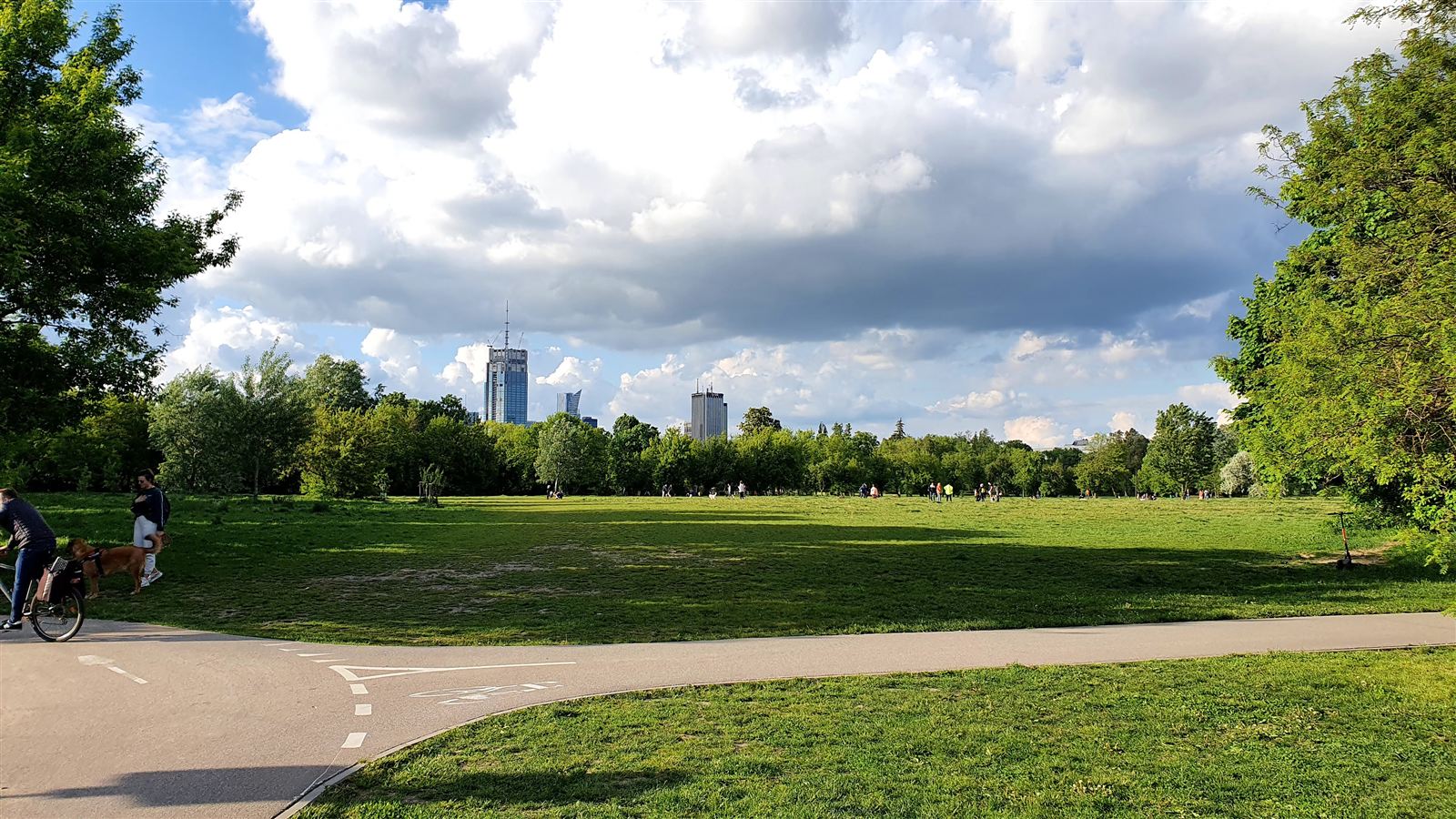
Endless flat grass in the middle of the city: picnics, kites, sunbathing and impromptu football.
Flat, well-kept paths cross the park and link into the Warsaw cycling network — the most popular running loop in the district.
The Biblioteka Narodowa building borders the park on the north side, so a walk on the lawns pairs easily with a library visit.
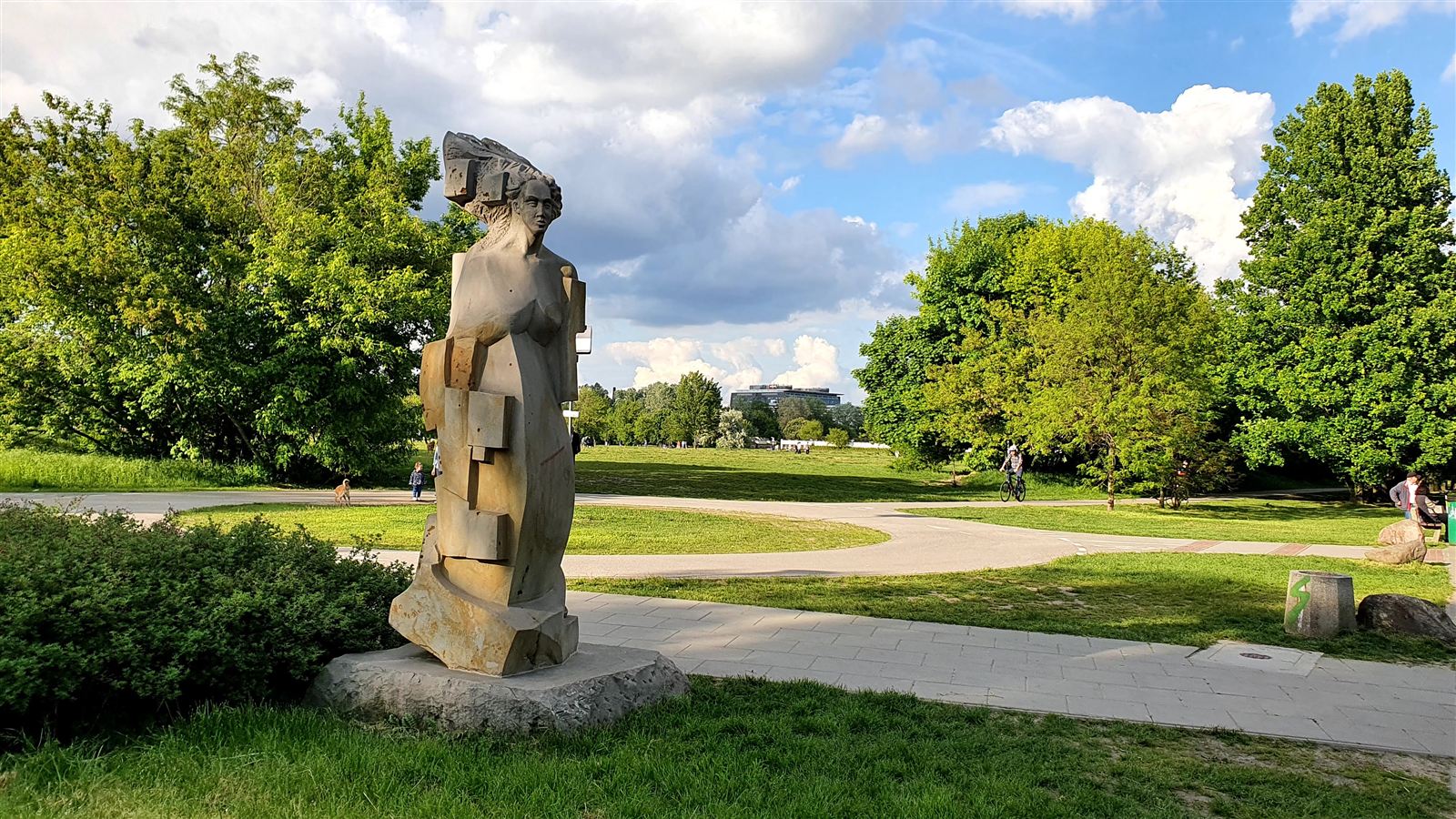
Open-air sculptures, memorial installations and art objects are scattered along the paths, giving the wide lawns quiet focal points.
Ponds, reeds and old trees make the park one of the greenest refuges in central Warsaw; mammals and birds are regularly recorded here.
Warsaw has a temperate climate — warm summers and cold winters. The park stays open 24/7 all year round, and each season brings a different atmosphere.
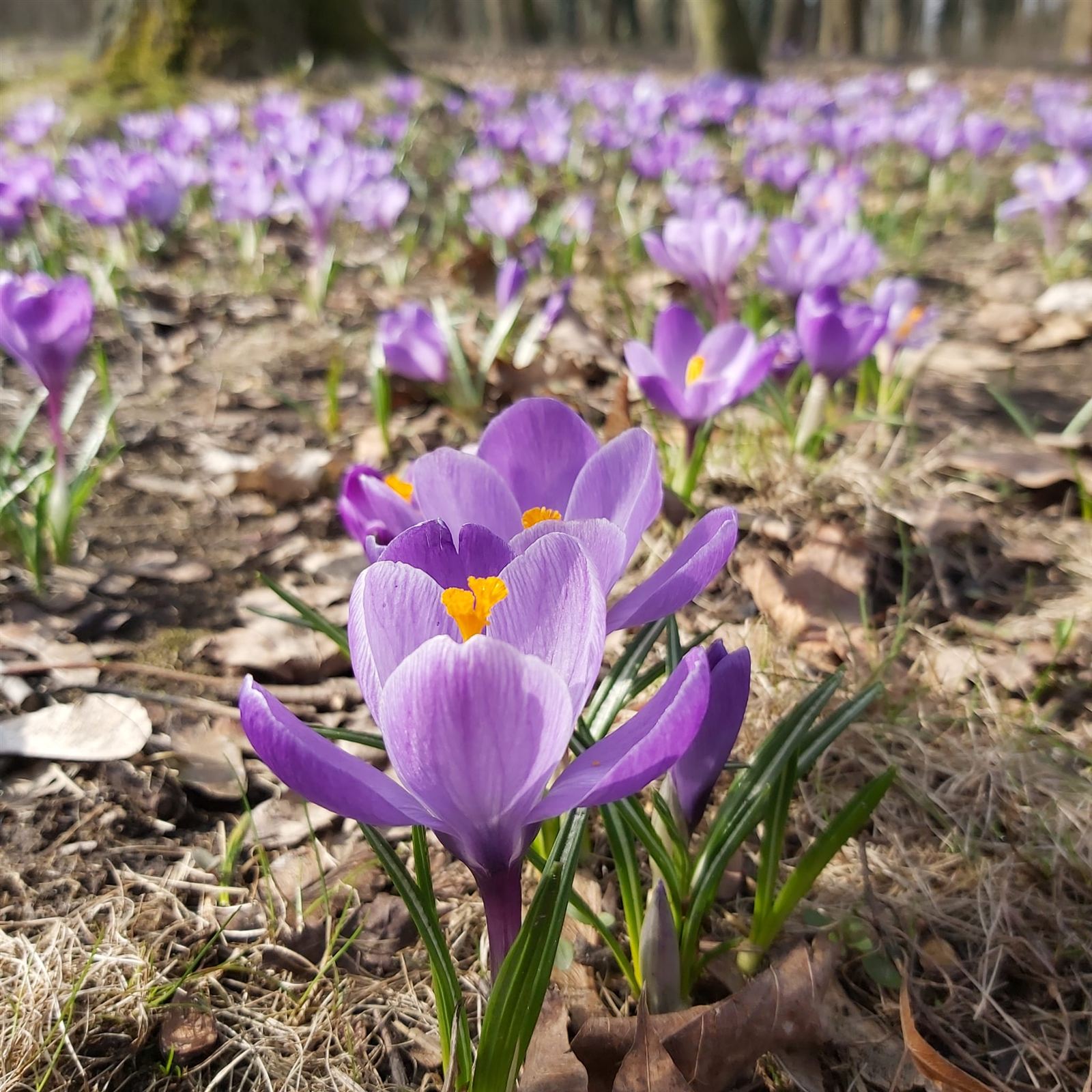
The lawns and lake shores turn fresh green and migrating birds return. Weather changes quickly, so keep a light jacket handy; weekends and holidays get busier.
Long days and warm evenings make this the liveliest season: evening picnics, lakeside strolls and sunsets draw the biggest crowds. Bring water and sunscreen.
Avenue trees and lake reflections turn gold — the most photogenic season. Rain becomes more frequent and fallen leaves can be slippery underfoot.
Snow can turn the open lawns into a quiet white landscape. Days are short and cold, but paths stay open and lit — just dress warmly.
Current conditions and a multi-day forecast for the Pole Mokotowskie area. Data: Open-Meteo.
Now
12°C
Clear sky
7-day forecast
Today
14°
7°
Sat
12°
8°
Sun
13°
7°
Mon
11°
6°
Tue
13°
4°
Wed
13°
6°
Thu
10°
6°
Weather data: Open-Meteo (refreshed up to every 30 minutes).
The field's history as a public space begins in the early 19th century. In 1818 the area was set aside for military training, and from 1831 it functioned as the Mokotów Field of War. Civilian life soon followed: in 1841 the first public horse races of Congress Poland were held on the small racecourse here, and in 1887 a new track opened on Polna Street. Racing moved away only in 1938, when the Służewiec racecourse was built.
Pole Mokotowskie is where Polish aviation was born. The first aviation displays in Poland took place here in 1909; in 1910 the Mokotów airfield was laid out, with the Awiata workshops and hangars rising at its northern edge. After Awiata closed in 1912 the field served the Russian army, then German airships, and after independence the 1st Air Regiment was stationed here (1921–1933). For years it was also Warsaw's airport for passenger flights — until 1934, when aviation moved to Okęcie.
The field played a solemn role between the wars. On 11 November 1934 Marshal Józef Piłsudski reviewed his last parade here, and in May 1935 the capital said farewell to him on this very ground. In 1938 the extended Niepodległości Avenue cut the area in two. During the Second World War German anti-aircraft guns stood on the field; on 1 August 1944 Home Army units from the Mokotów district attacked them at "W" hour — the assault was beaten back with heavy losses.
After the war, about 200 Finnish wooden houses — a gift of the USSR — stood by the corner of Niepodległości Avenue and Wawelska Street; the future reporter Ryszard Kapuściński lived in one from 1946 to 1955. In 1973 the city decided to lay out a park here; Stanisław Bolek's design was realised through the 1970s and 1980s, alongside the construction of the National Library. In 1988 the park was formally named after Marshal Piłsudski. The 1999 megalithic circle and the 2010 educational trail honouring Kapuściński followed, and between 2021 and 2023 the park was ecologically modernised.
Dominated by vast, endless native lawns, complemented by artificial lakes, tree-lined trails, landscape groves, and small rest plazas. The site is open and spacious with a transparent view. Minimalist memorial installations, leisure sculptures, and a lakeside boardwalk are distributed throughout the park, gently integrating natural landscapes with urban public facilities.
With a modern urban ecological planning style, it discards complex landscaping in favor of simplicity and nature. Large open wilderness paired with linear tree-lined avenues creates a relaxed and transparent layout, combining practical leisure attributes with natural wildness.
It is the core venue for Warsaw citizens' daily relaxation, sports, picnics, and festival activities, carrying the local relaxed urban life culture. Open-air markets, outdoor performances, public welfare activities, and sports events are frequently held here, serving as an important manifestation of Warsaw's urban vitality and inclusive atmosphere.
As a super-large green space in the center of the city, it is not only the first choice for citizens' daily leisure but also an important part of Warsaw's urban identity. Every weekend and holiday, it becomes a popular place for local family and friend gatherings.
Enter the park in the early morning, walk slowly along the tree-lined trails, breathe the fresh air, and feel the rare quiet moment in the city. In the afternoon, spread out a picnic mat on the lawn, chat and daydream with friends, and watch children chasing and playing on the grass. At dusk, stroll along the lakeside boardwalk, admire the city skyline reflected on the lake, and watch the sunset plate the entire wilderness in warm golden tones.
There is no need to deliberately arrange anything; the best experience here is to slow down, wander casually, and let the fatigue of city life slowly dissipate in this green wilderness.
Pole Mokotowskie covers about 73 hectares: roughly 71% (about 48.6 ha) lies in the Ochota district, the eastern strip belongs to Śródmieście and a small fragment to Mokotów — making it one of the largest open green spaces in central Warsaw. The western part has a looser, informal composition; the eastern part is more formal, with a fountain at its centre.
Botanical surveys (2016–2017) recorded 328 species of vascular plants. About 36 bird species breed here and some 30 more visit; over 100 nest boxes have been hung, and the quiet corner known as "Dziki Zakątek" is left to nature. Among mammals, rodents dominate, but you may also spot a red squirrel, a hedgehog or a fox, and at dusk the great noctule bat. Cyclists are frequent guests: in 2018 alone the park's bicycle counter logged 823,912 rides.
Verified notes from the field: aviation, ceremonies, wartime and nature.
In 1909 the first aviation shows in Poland took place on the field. A year later the Mokotów airfield was laid out, with the Awiata workshops and hangars at its northern edge — Warsaw's airport for passenger flights until 1934.
On 11 November 1934 Marshal Józef Piłsudski reviewed his last military parade here; half a year later, in May 1935, his funeral ceremonies were held on the same field before he was laid to rest at Wawel.
During the German occupation the field held anti-aircraft artillery positions. On 1 August 1944, at "W" hour, Home Army units of the Mokotów district attacked them — the assault failed and cost heavy losses.
After the war some 200 Finnish wooden houses, a gift of the USSR, stood here. Journalist Ryszard Kapuściński lived in one from 1946 to 1955 — the park's educational trail, opened in 2010, bears his name.
In 1999, for Earth Day, thirteen glacial erratics were arranged in a circle near the southern edge of the park; a year later they were recognised as a natural monument.
Between 2021 and 2023 the park was modernised: concrete gave way to lawns, a water system with reed vegetation appeared, and wooden platforms, benches and new trees were added. Since 2018, Saturday parkrun events bring the community together.
Recommended to enter in the early morning or evening from the main entrance. Walk slowly along the tree-lined avenues, pass the lakeside landscape belt, and enjoy the water and greenery. Cross the central great lawn to feel the wilderness view, check in at the minimalist memorials and leisure plazas, and finally sit and rest at the edge of the lawn. The whole pace is relaxed, taking about 1.5 hours purely walking, or half a day for slow strolling, photography, and relaxing.
Get off at the public transport stop, walk to the park's main entrance, and enter the wide tree-lined main road.
Walk slowly along the tree-lined trail, enjoying the trees and lush greenery along the way, and breathe the fresh air.
Walk around the artificial lake boardwalk, closely observe the water landscape and resting waterfowl, and take photos of the waterfront scenery.
Cross the central open great lawn, experience the endless wilderness view, and feel the pure natural atmosphere.
Head to the park's small memorial areas and art installations to understand the site's cultural background and urban imprint.
Wander through niche forest paths, avoid the crowds, and experience quiet and private natural corners.
Stop and rest in the flat areas of the lawn, experiencing the daily atmosphere of locals picnicking and relaxing.
Slowly return along the outer trails, enjoying the unique scenery where the city skyline blends with the green space.
Tall trees on both sides, morning sunlight piercing through leaves, perfect for fresh walking shots
Open green lawns with blue sky or city skyline as background, great for picnic and running shots
Calm water reflecting surrounding trees and sky, waterfowls adding a lively touch
Sculptures full of history contrasting with the modern park, suitable for street photography
Capture joyful moments of dogs running freely and socializing
Warsaw's light is soft, making the 'golden hours' in early morning or late afternoon the best time for shooting. The park is rich in greenery, so wearing light or bright-colored clothing creates a better contrast. Please keep a safe distance when photographing wildlife and waterfowls.
Facility types only — this guide recommends no commercial operators.
Public restrooms serve the busiest lawn and playground areas; seasonal facilities may close in winter.
Free, seasonalFenced playgrounds with swings and climbing frames sit on the residential edges of the park.
Family friendlyDogs are welcome on the paths and lawns, and a fenced dog run lets them off the lead.
Lead required outside the runOutdoor gym equipment, football pitches and wide flat lawns used for training and team games.
Free to usePaved cycle paths run through and around the park, with bike racks near the main entrances.
City bike networkHundreds of benches plus open lawns where picnics, blankets and casual games are the norm.
Bring your own matSeparate bins for glass, plastic and paper stand along the main avenues.
Leave no traceStreet parking along the surrounding avenues is limited and mostly paid on weekdays.
Public transport recommendedEat near the park without overpaying: restaurants, bistros, cafés and seasonal kiosks line the main entrances and the surrounding Ochota and Mokotów districts. We list types of service only — never specific brands.
Type-level infoStaying overnight? The districts around the park (Śródmieście, Ochota, Mokotów) offer hotels, hostels, guesthouses and apartments within walking distance of M1 metro stations. Compare offers on official booking portals.
Type-level infoFor drinks, snacks and picnic supplies, supermarkets and convenience stores line Niepodległości Avenue and the nearby streets. Refill your bottle at the seasonal drinking fountains inside the park.
Type-level infoDrivers: petrol stations sit right by the park along Niepodległości Avenue and Żwirki i Wigury Street. EV charging points are available at nearby parking facilities — check official charging maps for live availability.
Type-level infoJust a few metro stops from the park, bustling commercial area, perfect for high-quality stays
Right next to the park, walking distance for morning runs, great local vibe with many cafes
Extremely convenient transport, suitable for short stays or travelers needing to catch trains
Ideal for early/late flights, direct public transport to the park within half an hour
Warsaw's summer is pleasant, but there can be a temperature difference between morning and evening, so a light jacket is recommended. The Mokotów district around the park is very safe and popular. If you prefer quiet, choose rooms not facing the street. Booking in advance is recommended during peak seasons.
Pole Mokotowskie Four Seasons
Morning Avenue
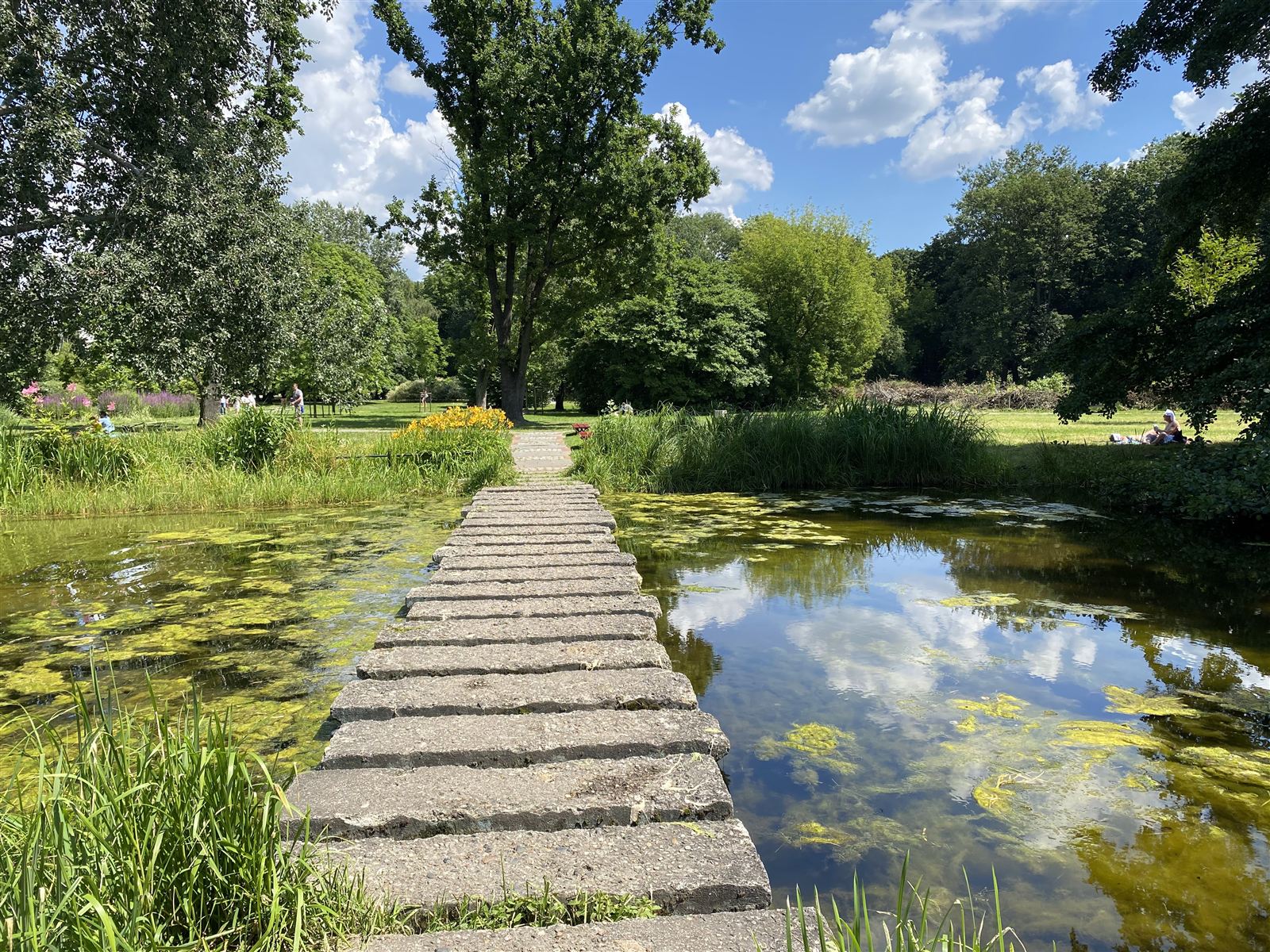
Open Central Lawn
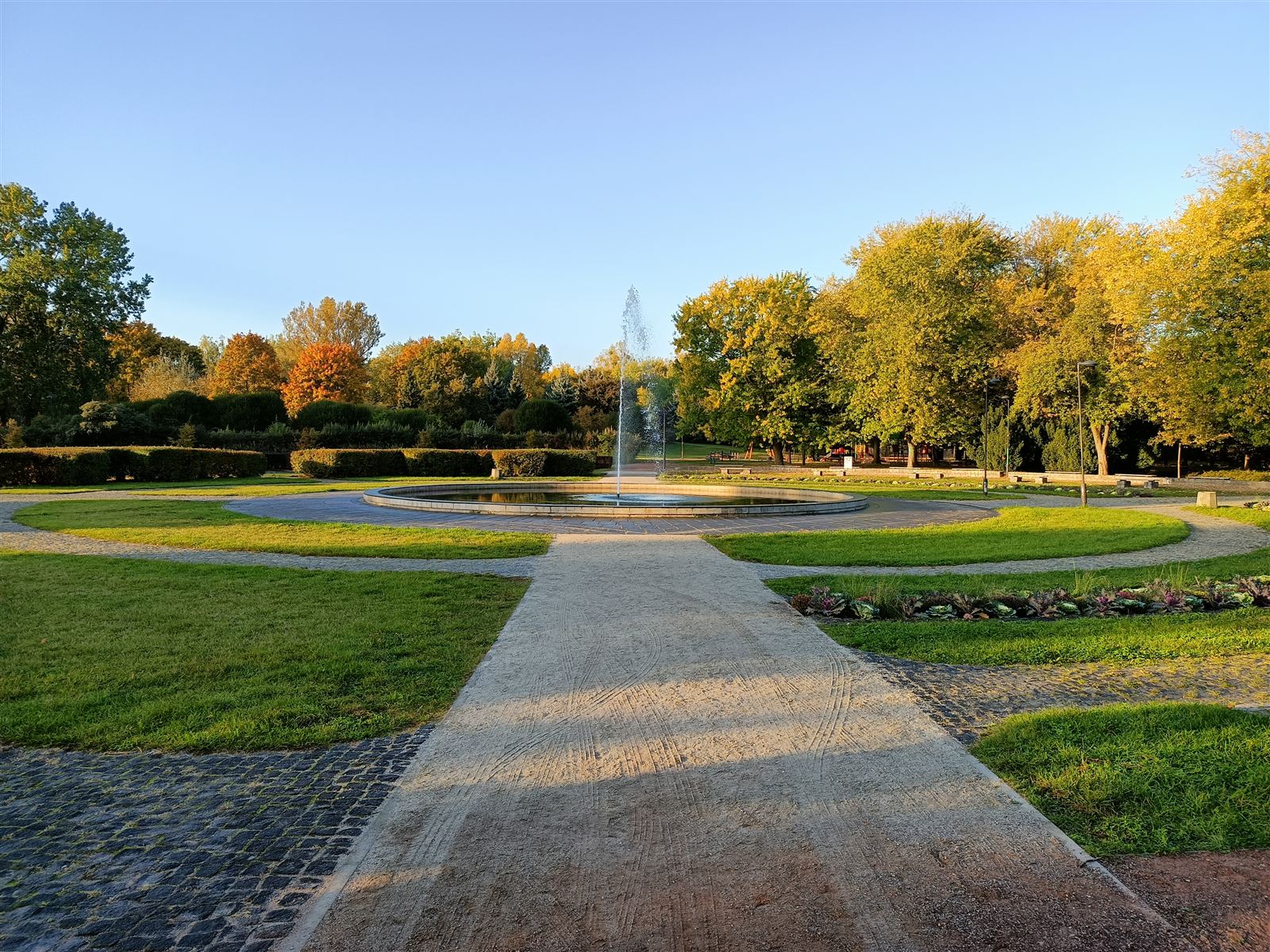
Quiet Lake Reflection
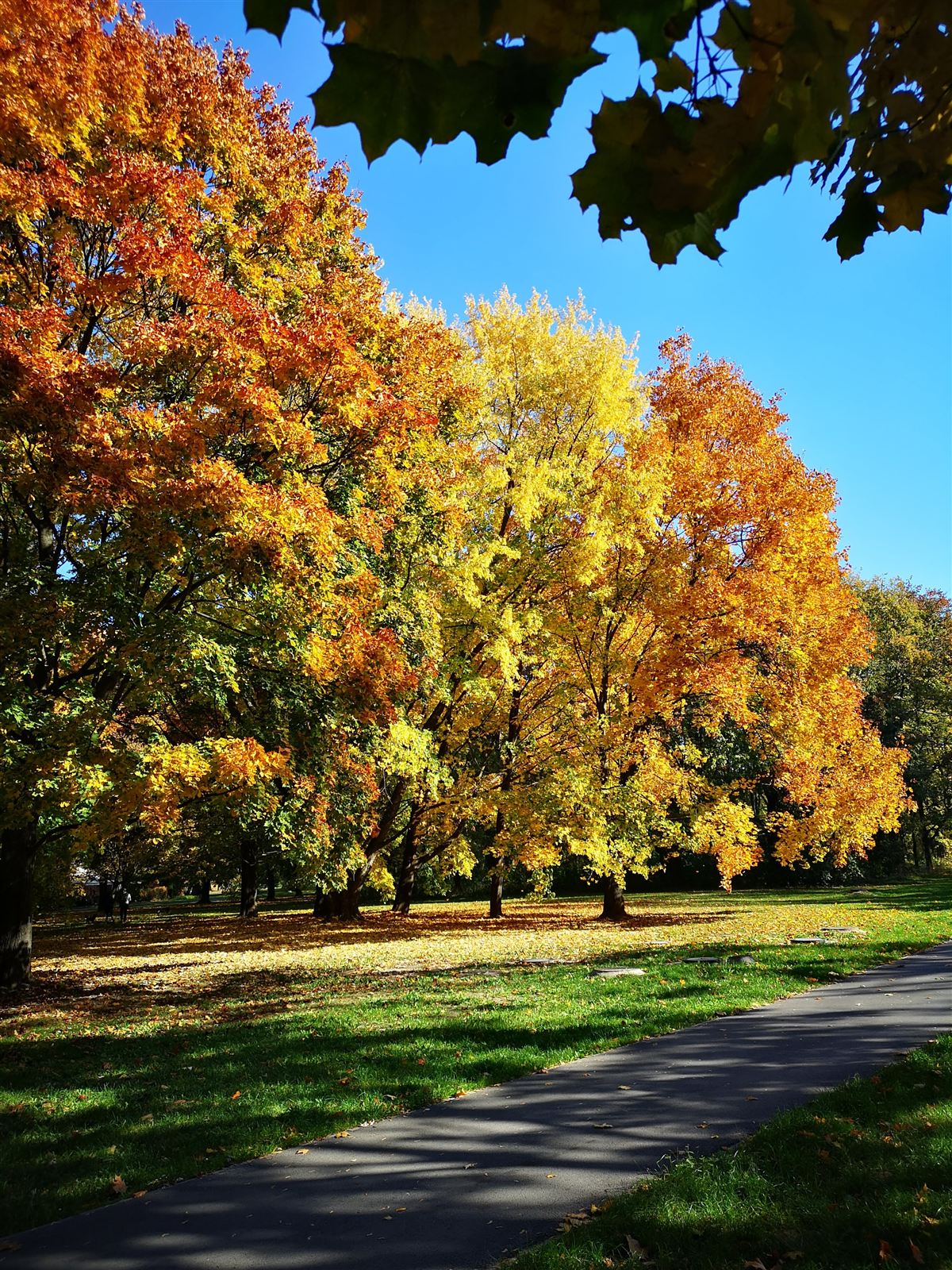
Weekend Picnic
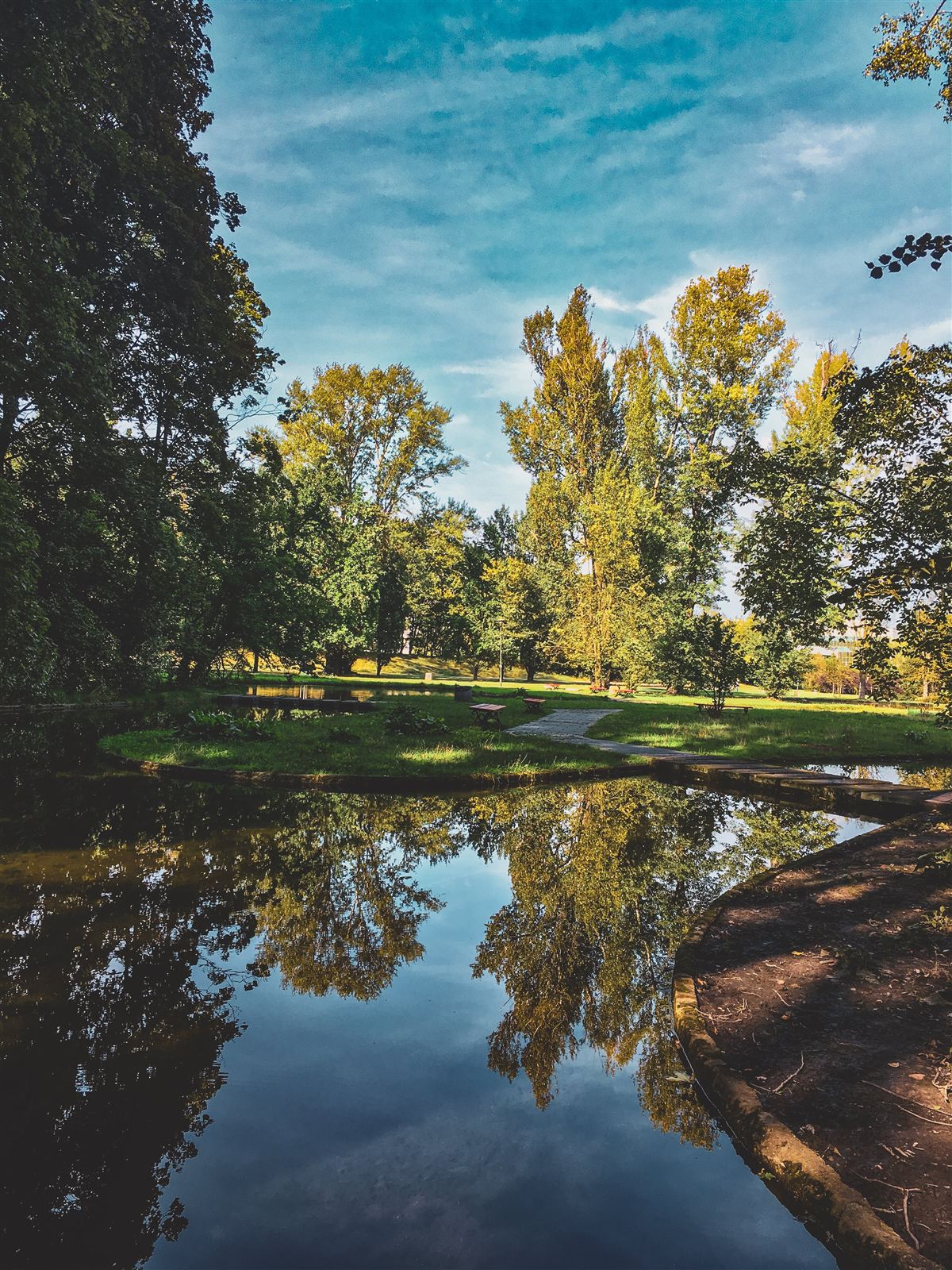
Autumn Golden Leaves
Sunset Wilderness
Morning Run & Cycling
Kids Flying Kites
The best park in central Warsaw! Weekend picnics here with kids and dogs are just perfect. Huge green areas so it never feels too crowded. The recently renovated lake area looks beautiful.
I come here for a run every morning. The scenery is beautiful in all seasons, especially in autumn when leaves turn yellow. Plenty of benches to rest and great bike paths. Highly recommended.
A massive green lung for the city. Very easy to reach by metro. The only downside is it gets really crowded on weekend afternoons, hard to find an empty spot on popular lawns. Still a great place to relax.
Great place for recreation! There's a dedicated dog park and many areas for BBQ and picnics. The newly built ponds are very pretty and refreshing in summer.
It's basically Warsaw's Central Park. Everyone loves coming here when the weather is good. Skaters, cyclists, and rollerbladers can all find their fun. Highly recommend grabbing a beer at one of the small pubs inside.
A very good choice for family outings. The children's playgrounds are new and safe. Just sometimes hard to find a parking spot, so I suggest using public transport.
As a foreigner living in Warsaw, this is my favorite weekend spot. Large lawns to just lie down and read a book, very relaxing. The maintenance and landscaping of the whole park are excellent.
The revitalized Pole Mokotowskie is amazing. Removing the old concrete pools and replacing them with a natural ecological lake brought more animals and birds. A brilliant example of urban planning.
Yes. It is a public city green space with no entrance fee — the lawns, paths, lake and plazas are all free and open to everyone.
The park has no gate and no closing time: it is accessible 24 hours a day, seven days a week, all year round. Some seasonal kiosks and facilities keep shorter hours.
Take metro line M1 to the Pole Mokotowskie station, which opens directly onto the park side of al. Niepodległości. Tram and bus stops run along the same avenue — check wtp.waw.pl for current line numbers.
It lies in south-central Warsaw along al. Niepodległości (postal code 00-650), between the Mokotów and Ochota districts, a few minutes from the city centre. Plus Code: 6273+39 Warsaw.
No. The water is a natural ecological reservoir created for landscape and biodiversity, not a swimming area — enjoy it from the bank and the boardwalk.
Yes. Flat, well-kept paths loop around the lawns and the lake and connect to the wider Warsaw cycling network. It is one of the most popular running spots in the city.
Dogs are welcome throughout the park and there is a fenced dog run where they can be let off the lead. Elsewhere keep them on a lead and clean up after them.
Early morning and the golden hour before sunset give soft light, cooler air and thinner crowds. Weekday mornings are quietest; weekend afternoons are the busiest.
Compiled from public and official sources. This is an independent, non-commercial guide and not an official city website.
Content last updated: September 4, 2026
All photographs on this website remain the property of their original photographers. They are used for editorial illustration only; contact us for attribution or removal requests.